JPS is a rare, predominantly autosomal-dominant condition in which multiple “juvenile” polyps develop in the gastrointestinal tract—most often the colon and rectum, but also the stomach and small intestine. “Juvenile” describes the polyp’s tissue type, not the patient’s age; polyps often appear before age 20. People with JPS have an elevated lifetime risk of gastrointestinal cancers (commonly colorectal), and care typically includes lifelong GI surveillance with periodic endoscopic polypectomy.
JPS is largely characterized by pathogenic variants in the genes SMAD4 or BMPR1A which explains many cases, yet studies show that only about 45–60% of clinically diagnosed patients have an identifiable variant in these genes. This means that some individuals are deemed “mutation-negative” based on current medically recognized gene panels.
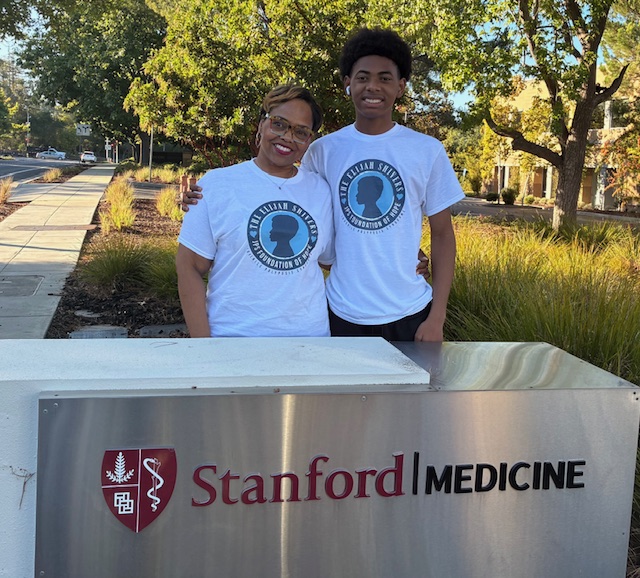
It is important to note that Elijah falls into this even smaller subset of JPS diagnosed patients that do not carry the SMAD4 or BMPR1A gene.
 The Elijah Shivers JPS Foundation of Hope